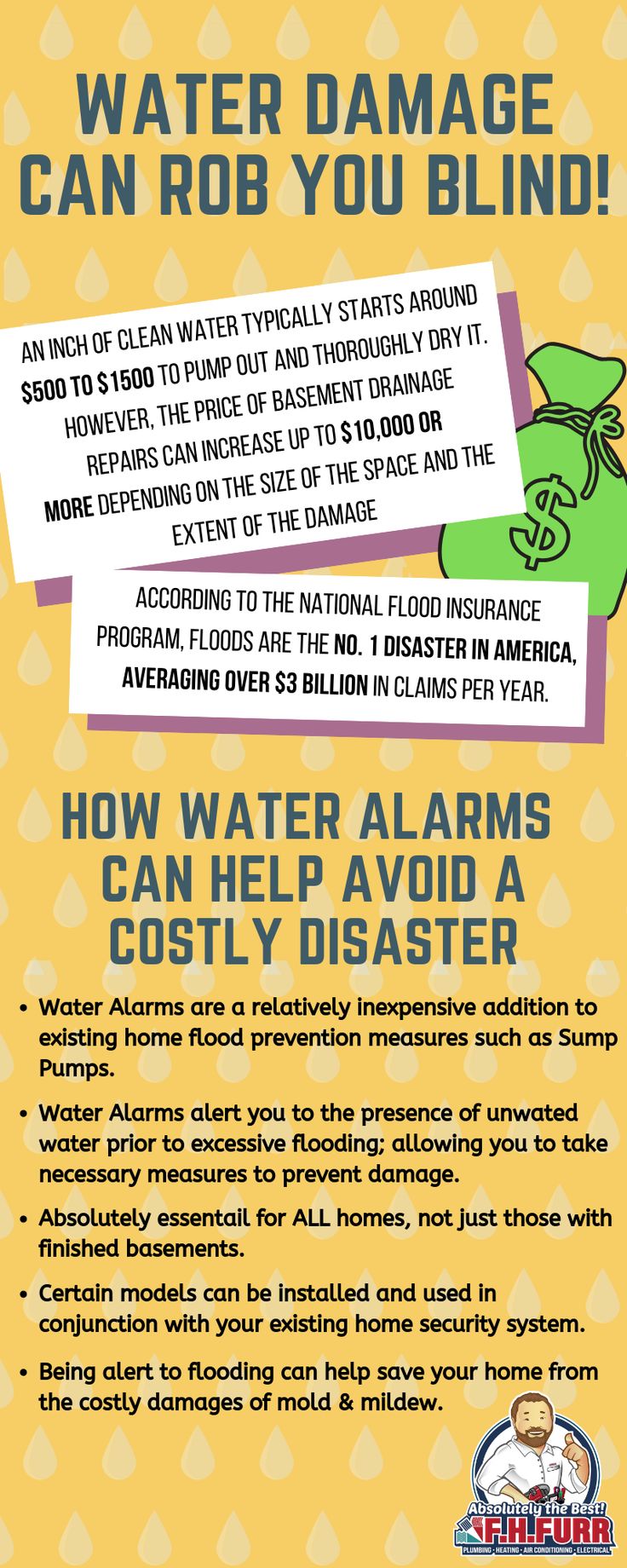
When handling residential property damages, it's important to understand the distinctions between flood damages and water damage restoration. You might assume they're the same, but their causes and healing processes vary dramatically. This difference can impact your technique and even your insurance protection. Knowing what to anticipate can save you money and time. So, exactly how do these two types of damage truly contrast, and what should you take into consideration for effective repair?
What Causes Flooding Damage? Secret Qualities
Flood damages can stem from a number of substantial reasons, each with distinct attributes. You might come across hefty rains, which can bewilder drain systems, resulting in widespread flooding.
Rapid snowmelt in spring can additionally add, as it causes rivers to swell. Furthermore, cyclones and tropical storms can bring intense rainfalls and storm surges, flooding seaside locations.
In metropolitan setups, poor infrastructure or blocked water drainage can worsen flooding throughout heavy storms. You must likewise take into consideration dam failures, which can launch large amounts of water suddenly, creating tragic damage.
Each of these scenarios highlights the value of comprehending flooding risks in your location, so you can take safety nets and react efficiently if disaster strikes.
How Water Damages Differs From Flooding Damages: Effects for repair?
While both water damage and flooding damage can wreak havoc on your property, they stem from various resources and carry distinct implications for repair.
Water damage usually arises from interior problems like leakages, ruptured pipelines, or device malfunctions. In contrast, flooding damage originates from external resources, such as hefty rainfall or climbing bodies of water.
The difference matters because restoration approaches differ dramatically. Water damage restoration often focuses on drying out impacted locations and fixing structural aspects, while flood damage normally includes much more extensive cleaning and possible architectural evaluation.
hazmat cleaning can likewise vary; flood damages typically requires specific flooding insurance plan. Recognizing these distinctions assists you make notified decisions throughout the repair procedure, guaranteeing your residential property obtains the treatment it requires.
repair Steps for Flooding vs. Water Damage
Comprehending the differences between water damages and flood damage establishes the phase for reliable restoration.
When managing water damages, your initial step is to determine the source-- like a leaky pipe. You'll want to stop that flow immediately, after that remove any standing water and dry the influenced locations thoroughly.
For flood damages, the process is a bit different. You'll require to evaluate the level of the damages first. Remove infected materials and guarantee proper sanitation.
When that's done, you'll concentrate on drying out the room and restoring architectural stability.
In both cases, it's vital to document the damage for insurance policy cases. Whether it's a small leakage or a significant flood, complying with these steps makes certain a smoother repair process.
Final thought
In summary, comprehending the distinctions in between flood damages and water damages is necessary for efficient repair. Flooding damage typically calls for specialized cleaning and architectural assessments, while water damages concentrates on drying out and fixing leaks. Understanding environmental testing can aid you navigate the healing process and guarantee you have the appropriate insurance coverage. By being notified, mold remediation prepared to take on any type of water-related issues that come your means. Stay proactive, and you'll minimize the influence of these disasters.